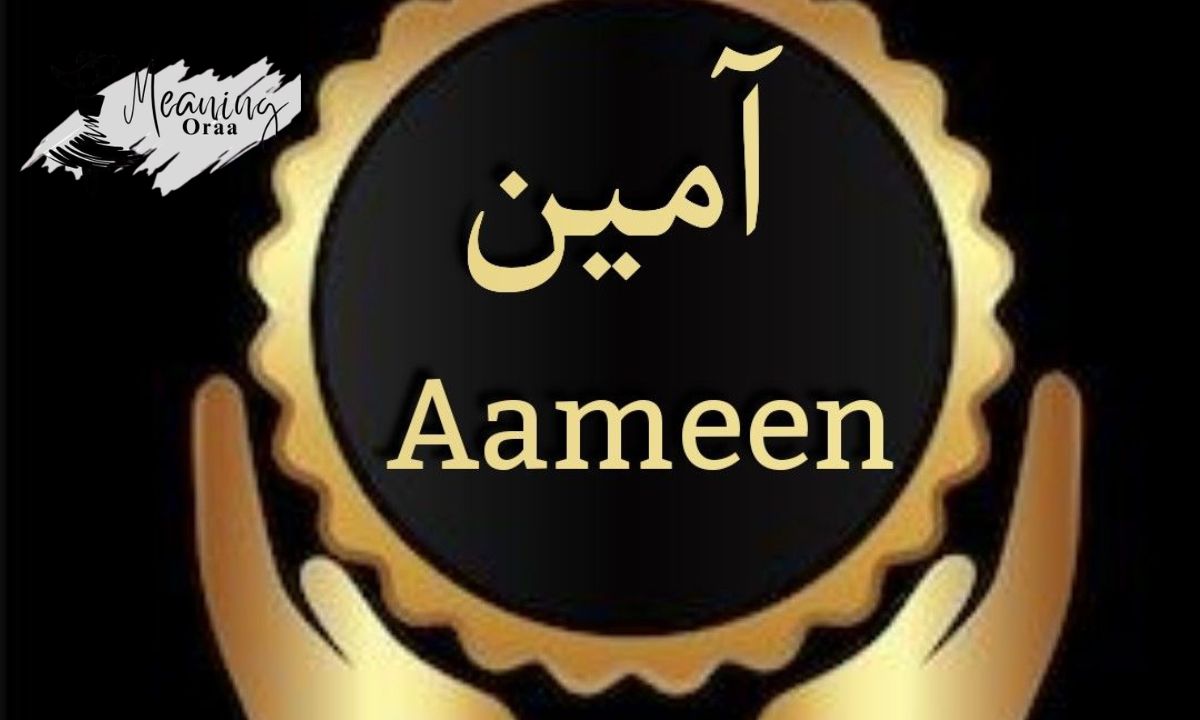
The Ameen meaning in Islam is deeply connected with faith, prayer, and seeking acceptance from Allah. Muslims commonly say Ameen after making a dua or after reciting Surah Al-Fatihah in Salah. This simple Arabic word carries a powerful meaning of hope, trust, and confirmation of a believer’s supplication.
What Does Ameen Mean?
Ameen (آمِينَ) is an Arabic word that means “O Allah, accept our prayer” or “May it be so.” The word is used by Muslims around the world after a dua to ask Allah to accept their request and blessings.
The Ameen meaning in Islam represents a believer’s agreement with a prayer and their desire for Allah’s mercy, guidance, and acceptance.
Ameen Meaning in English & Arabic
In Arabic, Ameen (آمِينَ) is a word of affirmation. The common English meanings include:
- “O Allah, accept it”
- “May Allah answer this prayer”
- “So be it”
Understanding the Ameen meaning in Arabic helps Muslims recognize its importance in daily prayers and supplications.
How to Pronounce Ameen Correctly
The word Ameen is pronounced as:
Aa-meen (آمِينَ)
The first sound is stretched slightly, and the ending has a soft “een” sound. Correct pronunciation helps preserve the original Arabic meaning.
Ameen in Quran and Hadith References
Although the word Ameen is not mentioned as a direct verse in the Quran, it is strongly connected with Islamic prayer practices. The Prophet Muhammad ﷺ encouraged Muslims to say Ameen after Surah Al-Fatihah.
According to Islamic teachings, when Muslims say Ameen after a sincere dua, they are asking Allah to accept their supplication.
When and Why Do Muslims Say Ameen?
Muslims say Ameen after:
- Personal duas
- Group prayers
- Surah Al-Fatihah during Salah
- Religious gatherings
The reason Muslims say Ameen is to confirm their request and show belief in Allah’s power to respond.
Read More About This: https://meaningoraa.com/how-to-pray-istikhara/
Saying Ameen After Surah Al-Fatihah
During Salah, Muslims recite Surah Al-Fatihah and then say Ameen. This practice is considered an important part of prayer and reflects the believer’s hope that Allah accepts the words they have recited.
Importance and Benefits of Saying Ameen
The benefits of saying Ameen include:
- Strengthening connection with Allah
- Showing sincerity in worship
- Expressing hope for answered prayers
- Joining other believers in supplication
The importance of Ameen in Islam comes from its role in prayer and dua.
Ameen in Islamic Prayer (Salah)
In Islamic prayer, Ameen is said after completing Surah Al-Fatihah. It is a moment where Muslims ask Allah for acceptance and blessings.
The practice of saying Ameen reminds believers that all guidance and help come from Allah.
Is Ameen Obligatory in Prayer?
There are different scholarly opinions about whether saying Ameen is obligatory or recommended. Many scholars consider it a Sunnah practice that brings reward when performed.
Can Ameen Be Said Aloud During Salah?
In some prayer traditions, Ameen is said aloud after Surah Al-Fatihah, especially in certain prayers led by an Imam. Other traditions recommend saying it quietly. Both practices are based on different interpretations of Islamic teachings.
Frequently Asked Questions
What is the meaning of Ameen in Islam?
The Ameen meaning in Islam is a request asking Allah to accept a prayer or dua.
Is Ameen an Arabic word?
Yes, Ameen is an Arabic word written as آمِينَ and is commonly used in Islamic worship.
Why do Muslims say Ameen after Surah Al-Fatihah?
Muslims say Ameen after Surah Al-Fatihah to ask Allah to accept the message and prayer they have recited.
Is Ameen mentioned in the Quran?
The word Ameen itself is not a Quranic verse, but its use is established through Islamic prayer traditions and Hadith.
What is the correct pronunciation of Ameen?
Ameen is pronounced as “Aa-meen,” with a slightly extended first sound.
Conclusion
The Ameen meaning in Islam reflects faith, hope, and a believer’s trust in Allah’s response. Whether said after a dua or during Salah after Surah Al-Fatihah, Ameen carries a beautiful message of acceptance and devotion. Understanding its Arabic meaning and importance helps Muslims appreciate this powerful word in their daily worship.

Karina Smith is a passionate writer and language enthusiast who loves exploring words, meanings, and sharing helpful knowledge with readers.