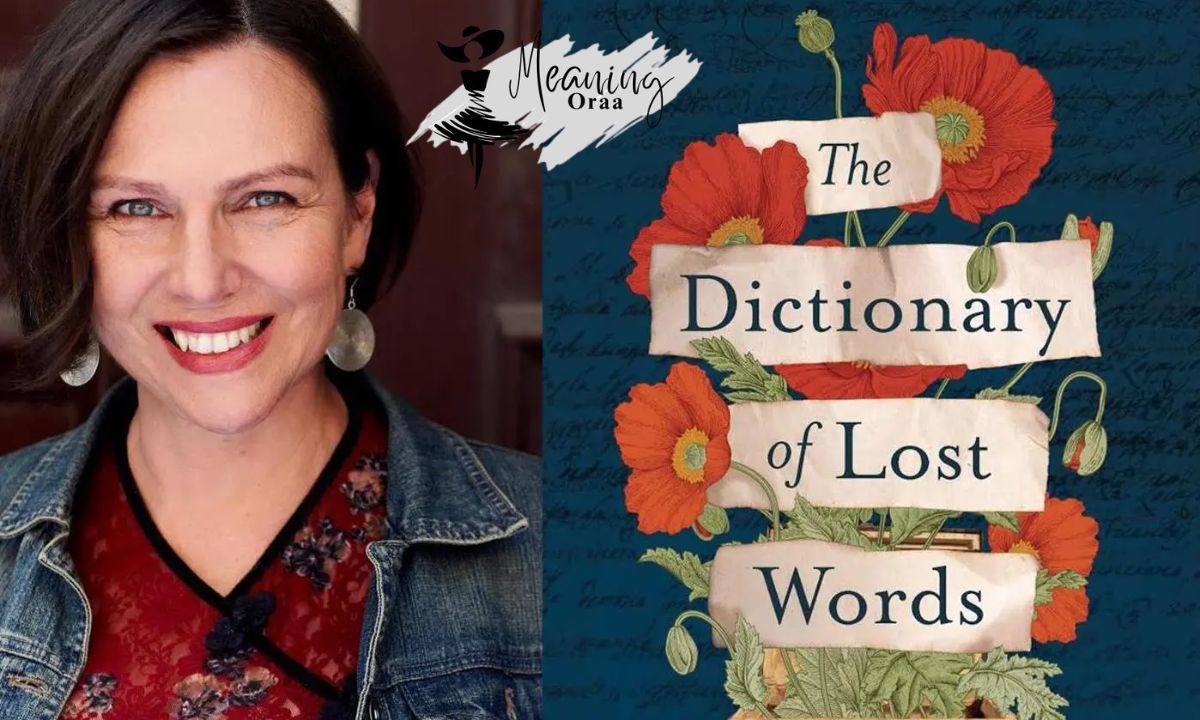
Written by Pip Williams
Review by Christine Childs
The Dictionary of Lost Words is a remarkable work of historical literary fiction that explores the hidden stories behind language, identity, and women’s voices. Written by Pip Williams, this bestselling novel blends real history with heartfelt storytelling to create an unforgettable reading experience. More than simply a historical fiction novel, it offers readers a thoughtful exploration of the making of the first Oxford English Dictionary while highlighting the forgotten contributions of women throughout history.
If you have ever wondered what The Dictionary of Lost Words is about, this guide provides a complete explanation, including a detailed The Dictionary of Lost Words summary, character overview, historical background, and literary analysis. Whether you’re searching for The Dictionary of Lost Words review, a book synopsis, or wondering is The Dictionary of Lost Words worth reading, this article answers all your questions.
About the Book
The Dictionary of Lost Words is the debut Pip Williams novel. First published by Affirm Press in 2020 and later by Ballantine Books in 2021, it quickly became one of the most celebrated examples of historical literary fiction in recent years.
The story is set in Oxford, England, beginning in the late Victorian period and continuing through the Edwardian era, World War I, and the Jazz Age of the early twentieth century. It follows the life of Esme Nicoll, a bright young girl whose unusual childhood unfolds within the offices where the Oxford English Dictionary is being compiled.
Unlike many books about dictionaries, this novel is deeply emotional. It combines language and identity, family relationships, women’s rights, and love into a moving coming-of-age story that resonates with readers around the world.
Written by Pip Williams
Australian author Pip Williams became fascinated with the history of lexicography after learning that many everyday words used primarily by women were missing from early dictionaries. This discovery inspired her to write The Dictionary of Lost Words by Pip Williams, a novel that asks an important question:
Who decides which words deserve to be remembered?
Rather than focusing only on famous Oxford lexicographers, Williams tells the story from the perspective of women whose voices were often ignored in historical records. Her thoughtful storytelling makes this one of the finest examples of feminist historical fiction and women’s history fiction.
The Dictionary of Lost Words Summary
The novel follows Esme Nicoll, a motherless child raised by her loving father, Harry Nicoll, who works as a lexicographer helping compile the Oxford English Dictionary.
As a young girl, Esme spends countless hours beneath the sorting tables where thousands of word slips are collected, organized, and debated. Occasionally, a slip falls to the floor unnoticed. Curious, Esme begins collecting these forgotten pieces of paper and stores them in a small tin box.
At first, the collection seems insignificant. However, as Esme grows older, she realizes many of these lost words represent experiences common to women but overlooked by the mostly male scholars responsible for the dictionary.
Her private collection gradually becomes an alternative dictionary, preserving forgotten expressions, emotional experiences, and everyday language that might otherwise disappear forever.
As the years pass, Esme witnesses enormous social changes, including the rise of the women’s suffrage movement, the struggle for women’s rights, and the devastating impact of World War I. Through friendship, love, heartbreak, and personal growth, she discovers that language has the power not only to describe the world but also to shape it.
Read More About This: https://meaningoraa.com/difficult-english-words-with-meaning/
Main Characters
Esme Nicoll
Esme is the novel’s unforgettable female protagonist. Intelligent, curious, and compassionate, she grows from a lonely child into an independent woman determined to preserve forgotten voices. Her personal journey makes The Dictionary of Lost Words both an emotional historical novel and a powerful coming-of-age story.
Harry Nicoll
Harry is Esme’s devoted father and one of the dedicated Oxford scholars working on the massive dictionary compilation project. His love for language greatly influences Esme’s own passion for words.
The Oxford Lexicographers
The scholars responsible for creating the dictionary represent the intellectual traditions of the era. Their work is groundbreaking, yet the novel gently reveals how even brilliant academics can unintentionally overlook the experiences of women and ordinary people.
Historical Setting
One reason The Dictionary of Lost Words stands out among the best historical fiction books is its rich historical backdrop.
The novel spans several important periods:
- Late Victorian England
- Edwardian England
- The Women’s Suffrage Movement
- World War I
- The Interwar Period
- The Jazz Age
These events shape both Esme’s personal life and the evolution of society, making the novel far more than a story about dictionaries. It becomes a reflection on language and gender, women and language, and the changing role of women in academia and public life
Why the Oxford English Dictionary Matters
The Oxford English Dictionary history serves as the foundation of the novel.
The real dictionary project took decades to complete, relying on thousands of volunteers who submitted quotations and word slips from books, newspapers, and everyday writing.
Pip Williams imagines the unseen stories behind this monumental project by asking an important question:
What happened to the words that were ignored?
This simple idea transforms The Dictionary of Lost Words into a compelling exploration of dictionary history, language preservation, and the importance of including every voice in our shared vocabulary.

Karina Smith is a passionate writer and language enthusiast who loves exploring words, meanings, and sharing helpful knowledge with readers.